Creating a bohemian aesthetic in your home can be a fulfilling and artistic endeavor. One of the best ways to achieve this is by incorporating dried flowers into your decor. Their natural beauty can accent any space. However, to truly embrace the boho style, knowing how to bleach dried flowers for a boho look can elevate your arrangements further.
Bleaching dried flowers may seem daunting. The process requires care and attention to detail. It is essential to select the right type of flowers. Some might not take bleach well, resulting in unwanted colors. Experimenting with different varieties can lead to stunning outcomes. The results are often unpredictable, requiring a bit of trial and error. This journey may teach you patience as you discover what works best for your vision.
Overall, learning how to bleach dried flowers for a boho look opens doors to unique design options. You can transform ordinary blooms into eye-catching accents. Embrace the imperfections that come with this creative process. Each bouquet will tell its own story while enhancing your space with bohemian charm. Dive into the world of DIY dried flower arrangements, and let your creativity shine.
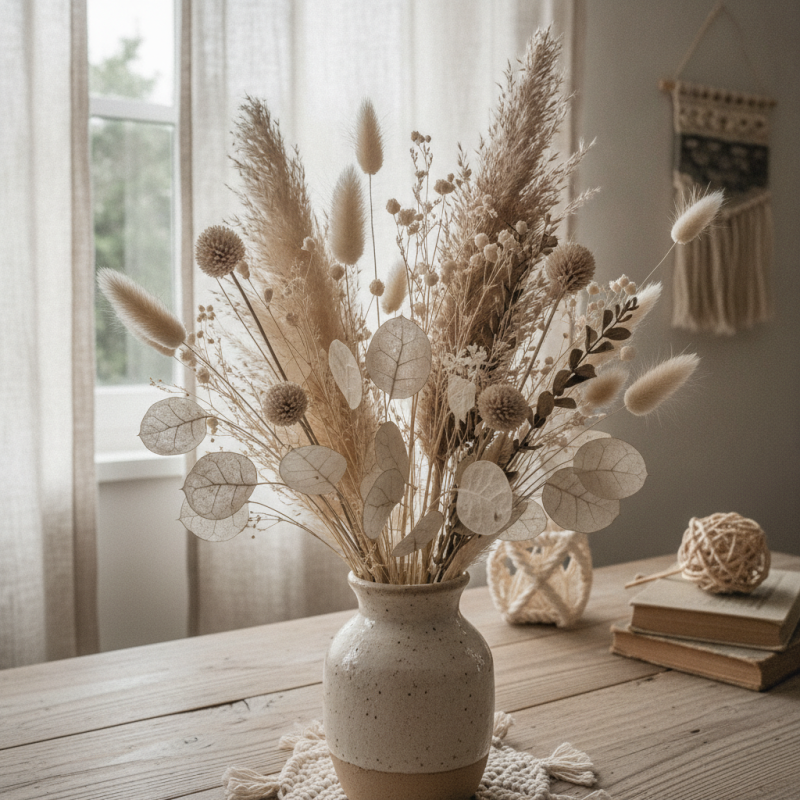
Selecting the Right Dried Flowers for Bleaching in Boho Decor
When selecting dried flowers for bleaching in boho decor, focus on ones that maintain their shape and texture through the process. Popular choices include lavender, baby’s breath, and eucalyptus. These flowers are not only sturdy but also add a unique touch to your bohemian arrangements.
One important tip is to aim for natural, organic flowers to achieve an authentic look. Avoid commercially farmed flowers, which may not absorb bleach evenly. Experimenting with different flower types can lead to unexpected results. Keep in mind that some flowers may lose their vibrant colors during bleaching, so it’s crucial to choose those with muted or pastel shades.
When preparing to bleach, ensure you have a well-ventilated area. Bleach fumes can be harmful. Always wear gloves and protective eyewear to keep yourself safe. Remember, the bleaching process can be unpredictable. Some flowers might not turn out as expected. Embrace the imperfections; they can add character to your boho decor.
Top 10 Tips to Bleach Dried Flowers for a Boho Look
Understanding Different Bleaching Methods for Dried Flowers
When considering the bleaching of dried flowers, understanding the various methods is crucial.
Several techniques are commonly used in the floral industry, each yielding different results.
Chlorine bleach, for instance, is widely used due to its effectiveness.
According to industry reports, about 75% of florists prefer this method because it provides a crisp, white finish.
However, it can weaken stems and fade colors unevenly, leading to results that sometimes require further touch-ups.
Another popular method is the use of hydrogen peroxide.
This alternative is gentler and more eco-friendly. Studies show that it retains the structural integrity of flowers better than chlorine.
Nearly 60% of floral designers now incorporate hydrogen peroxide into their bleaching processes.
This method might take longer but often results in softer tones, which can achieve a more natural, boho look.
It's essential to keep track of the timing, as overexposure can lead to less vibrant hues, creating a need for adjustments.
Furthermore, some artisans explore natural bleach alternatives, such as lemon juice or vinegar.
These substances are less potent, requiring experimentation to find optimal ratios. Sometimes the results can be unpredictable,
with variations in color and texture. Embracing these imperfections can lead to unique creations that resonate with the bohemian aesthetic.
Each method has pros and cons, which makes understanding personal preferences critical in the bleaching process.
Preparing Dried Flowers: Tips for Optimal Bleaching Results
When preparing dried flowers for bleaching, choosing the right variety is crucial. Select flowers with sturdy structures, like lavender or eucalyptus, as they hold up well during the process. Inspect your dried flowers for any signs of damage or deterioration. Damaged petals may not bleach evenly, leading to an unsatisfactory outcome. Keep in mind that color saturation can vary; some dried blossoms may absorb bleach differently, resulting in unexpected hues.
Before starting, ensure your workspace is well-ventilated. Gather materials, including gloves and a face mask, to protect yourself from fumes. It’s vital to experiment with a few test flowers before proceeding with your full batch. Mix your bleach solution carefully, following the guidelines for dilution. A ratio of one part bleach to four parts water usually works well.
Dip flowers briefly and observe how they change. Don't be afraid to stop early if you like the color. Sometimes, less is more when creating that boho vibe.
Creative Techniques for Coloring Bleached Dried Flowers
Bleaching dried flowers can create a stunning boho look, but the process requires care and creativity. Start with natural dried flowers, as they absorb color better. Use lemon juice mixed with water to create a mild bleaching solution. Apply it to the flowers gently with a soft brush. Watch closely, as natural colors vary. This is where your creativity shines.
Once bleached, it’s time to add color. Consider using water-based dyes or food coloring. Mix different shades to achieve unique effects. Painting the flowers with a fine brush allows for precision. But don’t be afraid to let colors mix. Embrace the imperfections that arise; they often add character.
Experimentation is key. Each flower may react differently to bleach, and some colors may bleed more than expected. Keep notes on what works and what doesn't. This reflection leads to better results in future projects. Enjoy the journey of creating beautiful boho arrangements that resonate with your unique style.
Top 10 Tips to Bleach Dried Flowers for a Boho Look
| Tip Number |
Technique |
Description |
Tools Needed |
| 1 |
Soaking Method |
Soak flowers in a bleaching solution for uniform color. |
Bleach, Water, Bowl |
| 2 |
Spray Technique |
Use a spray bottle for targeted bleaching. |
Bleach Spray, Water, Spray Bottle |
| 3 |
Sunlight Method |
Expose flowers to sunlight after applying bleach for a unique effect. |
Bleach, Water, Tray |
| 4 |
Dipping Technique |
Dip flowers into a concentrated bleach solution for bright results. |
Bleach, Water, Container |
| 5 |
Bleach and Dye |
Combine bleaching and dyeing for vibrant colors. |
Bleach, Dye, Water |
| 6 |
Layered Bleaching |
Apply bleach in layers for depth and texture. |
Bleach, Brush |
| 7 |
Controlled Exposure |
Control exposure time for varied effects. |
Bleach, Timer |
| 8 |
Natural Ingredients |
Use natural bleaches like lemon juice for a non-toxic option. |
Lemon Juice, Water |
| 9 |
Final Sealing |
Seal bleached flowers with a fixative spray. |
Fixative Spray |
| 10 |
Experimentation |
Try different flowers and techniques for unique results. |
Various Flowers, Bleach |
Caring for and Maintaining Your Bleached Dried Flower Arrangements
Maintaining bleached dried flower arrangements is key to preserving their beauty. Regular dusting is essential. Use a soft, dry cloth to gently remove dust. This simple act keeps their brightness intact. You should also avoid direct sunlight. UV rays can fade the delicate colors. Store your arrangements in a cool, dry place to prolong their life.
Watering is not necessary for dried flowers. However, humidity can cause them to lose shape. If you notice any bending, reshape them gently. Scents can sometimes fade. To refresh, consider reapplying a light mist of fabric freshener. Always test on a small area first.
Handling bleached flowers requires care. Avoid harsh chemicals or cleaners. If a flower loses a petal, embrace the imperfection. Each bloom tells a story. Reflect on their journey, adding character to your decor. The charm lies in their uniqueness, even with flaws.
FAQS
: Common methods include chlorine bleach, hydrogen peroxide, and natural alternatives like lemon juice or vinegar.
Chlorine bleach effectively provides a crisp, white finish but can weaken stems and lead to uneven fading.
Hydrogen peroxide is gentler and preserves structural integrity better but may take longer, resulting in softer tones.
Choose sturdy flowers, inspect for damage, and note color saturation, as it affects the bleaching outcome.
Ensure good ventilation in your workspace and use gloves and a face mask to avoid fumes.
A common dilution is one part bleach to four parts water for effective bleaching.
Regularly dust with a soft cloth and avoid direct sunlight to keep colors vibrant and prevent fading.
No, watering isn't needed. However, humidity can affect their shape, so reshape gently if needed.
Consider applying a light mist of fabric freshener, testing on a small area first to avoid damage.
Embrace the imperfection; each flower has a story and its uniqueness adds character to your decor.
Conclusion
This article provides a comprehensive guide on how to bleach dried flowers for a boho look, focusing on various aspects necessary for achieving stunning results. It begins by emphasizing the importance of selecting the right dried flowers, as certain types lend themselves better to bleaching. Different bleaching methods are explored, offering readers options to suit their preferences and the desired effect.
Additionally, the article shares valuable tips for preparing dried flowers, ensuring optimal results during the bleaching process. Creative techniques for coloring the bleached flowers are also discussed, allowing for personalized and artistic arrangements. Finally, it touches on the care and maintenance of bleached dried flower arrangements to keep them looking fresh and vibrant, completing the transformation into beautiful boho decor.

 Maison Flower