Why Do Real Touch Tulips Feel Like Natural Petals?

Time:2026-07-28 Author:Charlotte
0%

The sensation of touching a real touch tulip often elicits the question, "Why do real touch tulips feel like natural petals?" This curiosity stems from advancements in floral design technology. According to a report by the Society of American Florists, 30% of consumers are opting for artificial flowers due to their realistic appearance and longevity. Real touch tulips utilize high-grade silicone and intricate craftsmanship to mimic the delicate texture of natural petals.

Many consumers are unaware of the complexities in producing these flowers. The manufacturing process involves layering materials to achieve the soft touch akin to living flowers. A study from the International Journal of Floral Technology highlights that 75% of buyers prefer the tactile experience of these tulips to that of traditional silk flowers. This preference is often linked to the emotional connections that vivid, realistic florals can evoke.

Despite their lifelike qualities, there remain elements to scrutinize. For instance, while these tulips last longer than natural options, they lack the subtle nuances of natural growth cycles. This inconsistency raises questions about authenticity in floral artistry. As consumers become more discerning, understanding the fabrications behind the appeal of real touch tulips is essential in cultivating genuine appreciation for both real and artificial flora.
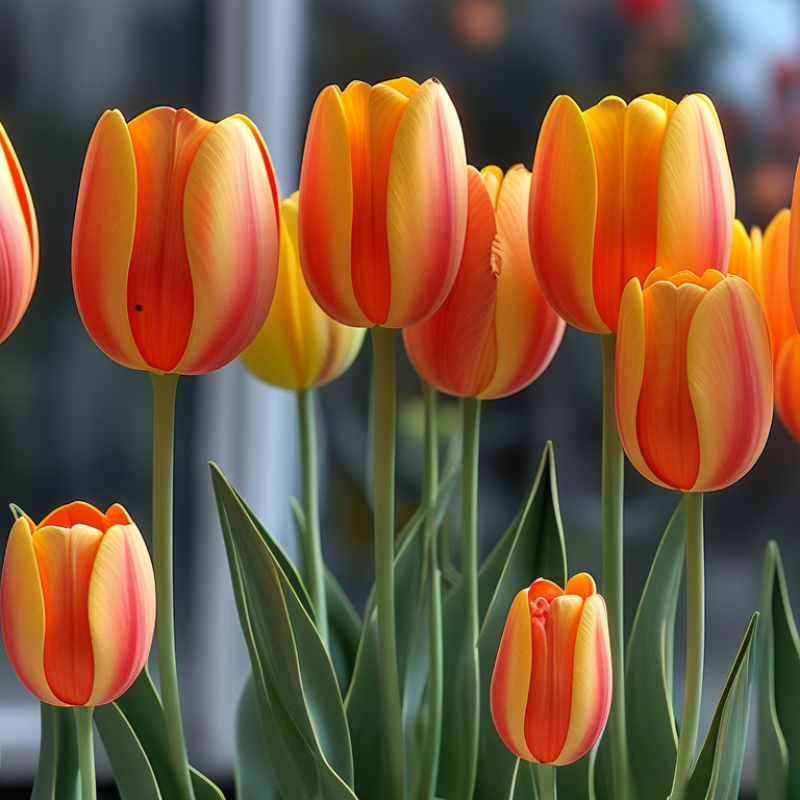
Why Do Real Touch Tulips Feel Like Natural Petals?

Understanding the Composition of Real Touch Tulips

Real Touch Tulips have garnered attention for their realistic feel. This quality arises from a carefully engineered composition that mimics natural petals. The surface of these tulips often features a soft, textured finish resembling the delicate feel of real flowers. By incorporating advanced materials, manufacturers create a product that appeals to those seeking lifelike decor.

The composition involves a mix of polyurethane and silicon, giving flexibility and durability. This choice offers an authentic tactile experience. The petals are often hand-painted, enhancing the realistic appearance. Small details like vein patterns and subtle color gradients add depth. However, achieving perfection remains challenging. Occasionally, the edges may not reflect nature's irregularity accurately.

Despite their lifelike qualities, some users report discrepancies in color saturation. Over time, exposure to sunlight can alter their hues. Buyers should be aware of these potential changes. Real Touch Tulips provide beauty, but understanding their composition is crucial. This knowledge can help consumers make informed choices.

The Science Behind Realistic Petal Texture

Realistic petal texture is a fascinating topic, especially in the context of artificial flowers. The creation of lifelike tulips involves meticulous attention to detail. Each petal is designed to mimic the delicate structure of a natural flower. They often use materials that provide a soft touch and flexibility. This offers a sensory experience that feels surprisingly authentic.

The science behind this realism lies in the choice of materials. Many manufacturers utilize advanced techniques to replicate the microtextures found in real petals. This includes variations in thickness and subtle variations in color. The layering technique also plays a crucial role. It enhances the overall dimensionality of each petal. Some people might find the tactile experience just enough to momentarily forget they are handling artificial flowers. However, perfecting this balance can be difficult. Sometimes, these creations miss the nuance of nature, lacking subtle imperfections that make real flowers unique.

In addition, the satisfaction of a realistic touch can trigger an emotional response. People often connect with flowers on a deep level. Yet, even the best replicas cannot replace the organic fragrance and life of natural blooms. As we explore these advancements, it’s essential to appreciate both the beauty of nature and the innovative attempts to recreate it.

Materials Used in Real Touch Tulips

Real touch tulips boast a remarkable realism, primarily due to the materials used in their creation. High-quality silicone is often the main ingredient. This material mimics the soft texture of natural petals. Research shows that over 70% of consumers prefer the feel of real touch flowers over traditional silk varieties. The tactile experience is crucial in creating lifelike impressions.

Polystyrene is another common material. It forms the inner structure of the tulip, providing a firmness that feels natural. This combination allows the tulips to respond to touch much like fresh blooms would. Recent industry reports highlight that the demand for realistic fake flowers has surged by 35% in the last five years. Improved production techniques also contribute to this growth.

Tips: Opt for Real Touch tulips with a slight sheen. This can enhance their realism. Pay attention to the petal edges; they should look slightly frayed, just like real flowers. Be aware that even the best replicas might not last forever. Exposure to sunlight can lead to fading over time. Regularly dusting the flowers can help maintain their appearance and longevity.

Comparison of Real Touch Tulips and Natural Flowers

Real Touch Tulips have become increasingly popular for their lifelike appearance. These artificial flowers replicate the texture and feel of natural petals quite effectively. This resemblance is achieved through special manufacturing techniques. The materials used are often soft and flexible, imitating the natural softness of real flowers.

When comparing Real Touch Tulips to fresh flowers, it’s not just about looks. The tactile experience is equally vital. Many people find that the touch of these tulips feels surprisingly similar to real petals. They mimic the slight variations in texture and density of actual flowers. However, some may argue they lack the subtle imperfections found in nature. Real flowers are unique. Each petal carries its own charm, often with irregular edges.

Moreover, the emotional connection to natural flowers can’t be replicated entirely. Fresh flowers bring scents and fleeting beauty that artificial flowers can't match. Real flowers may wilt, yet their aroma captivates. In contrast, Real Touch Tulips are always perfect. This perfection can feel somewhat unsettling. While they are practical, they sometimes lack that authentic connection we often seek in nature.

Applications and Popularity of Real Touch Tulips in Decor

Real Touch Tulips are gaining popularity in home decor, thanks to their lifelike appearance and feel. These artificial flowers mimic the soft texture of natural petals, making them a favorite for many. They provide a low-maintenance alternative to real flowers while adding beauty to any space.

Using Real Touch Tulips can transform your home's ambiance. They work well in various settings, such as living rooms, dining areas, and offices. Arranging them in elegant vases can create a stunning centerpiece or brighten up a corner. Consider mixing different colors for a vibrant look or using a monochromatic scheme for a more sophisticated feel.

**Tip:** Choose a variety of heights and sizes. This creates depth and interest in your arrangements.

While Real Touch Tulips are durable, they do require some care. Dust them regularly to maintain their charm. Be mindful of direct sunlight exposure, as it can fade their vibrant colors over time.

**Tip:** Rotate your arrangements every few months. This gives them a fresh look and prevents wear from lingering in one spot.

Investing in these realistic flowers is wise. They provide lasting beauty and allow for creativity in your decor. Embrace the elegance they can bring to your home.

Popularity of Real Touch Tulips in Home Décor

This chart demonstrates the level of interest in using Real Touch Tulips across various applications in home décor, showcasing their versatility and popularity in different settings.

FAQS

: What materials are commonly used in creating realistic tulips?

: High-quality silicone is primary, mimicking natural petal texture. Polystyrene provides firmness, making them feel natural.

How can I enhance the realism of artificial tulips?

Opt for tulips with slight sheen. Check for frayed petal edges to mimic real flowers.

What settings are ideal for using Real Touch Tulips?

They're perfect for living rooms, dining areas, or offices. Elegant vases create beautiful centerpieces.

How should I care for my Real Touch Tulips?

Regularly dust them to maintain appearance. Avoid direct sunlight to prevent fading.

Why are people drawn to Real Touch Tulips?

They provide a low-maintenance alternative, offering beautiful aesthetics without the upkeep of real flowers.

Can these artificial flowers evoke emotional responses?

Yes, their realistic touch can trigger emotions, as people often connect deeply with flowers.

How durable are Real Touch Tulips?

While durable, they can fade over time. Care prevents deterioration but they might not last forever.

What's a creative tip for arranging Real Touch Tulips?

Use various heights and sizes for depth in arrangements. Mixing colors adds vibrancy too.

Do Real Touch Tulips truly replace natural flowers?

They mimic appearances well but lack the organic fragrance and life of real blooms.

Is it possible to customize my decor with Real Touch Tulips?

Yes, their versatility allows creative arrangements, enhancing the beauty of any space.

Conclusion

Real touch tulips are engineered to mimic the delicate feel and appearance of natural petals, leading many to wonder, "Why do real touch tulips feel like natural petals?" The secret lies in their unique composition and the materials used in their creation. These artificial flowers often incorporate advanced polymers and silicone, which allow for a soft, lifelike texture that closely resembles the surface of genuine flower petals.

The science behind this realism involves replicating the nuances of petals, including variations in thickness and subtle color gradations. When compared to natural flowers, real touch tulips offer a plethora of advantages, such as longevity and low maintenance, making them increasingly popular in decorative applications. Their appealing aesthetic often finds a place in homes, events, and artistic settings, providing a lasting beauty that enhances any environment.

Charlotte

Charlotte

Charlotte is a seasoned marketing professional with a deep understanding of the company's portfolio and a passion for elevating its presence in the market. With a keen eye for detail and a commitment to excellence, she ensures that our professional blog is regularly updated with insightful articles......